


Protecting the Electromagnetic Battlefield: End-Use Applications of Electronic Warfare
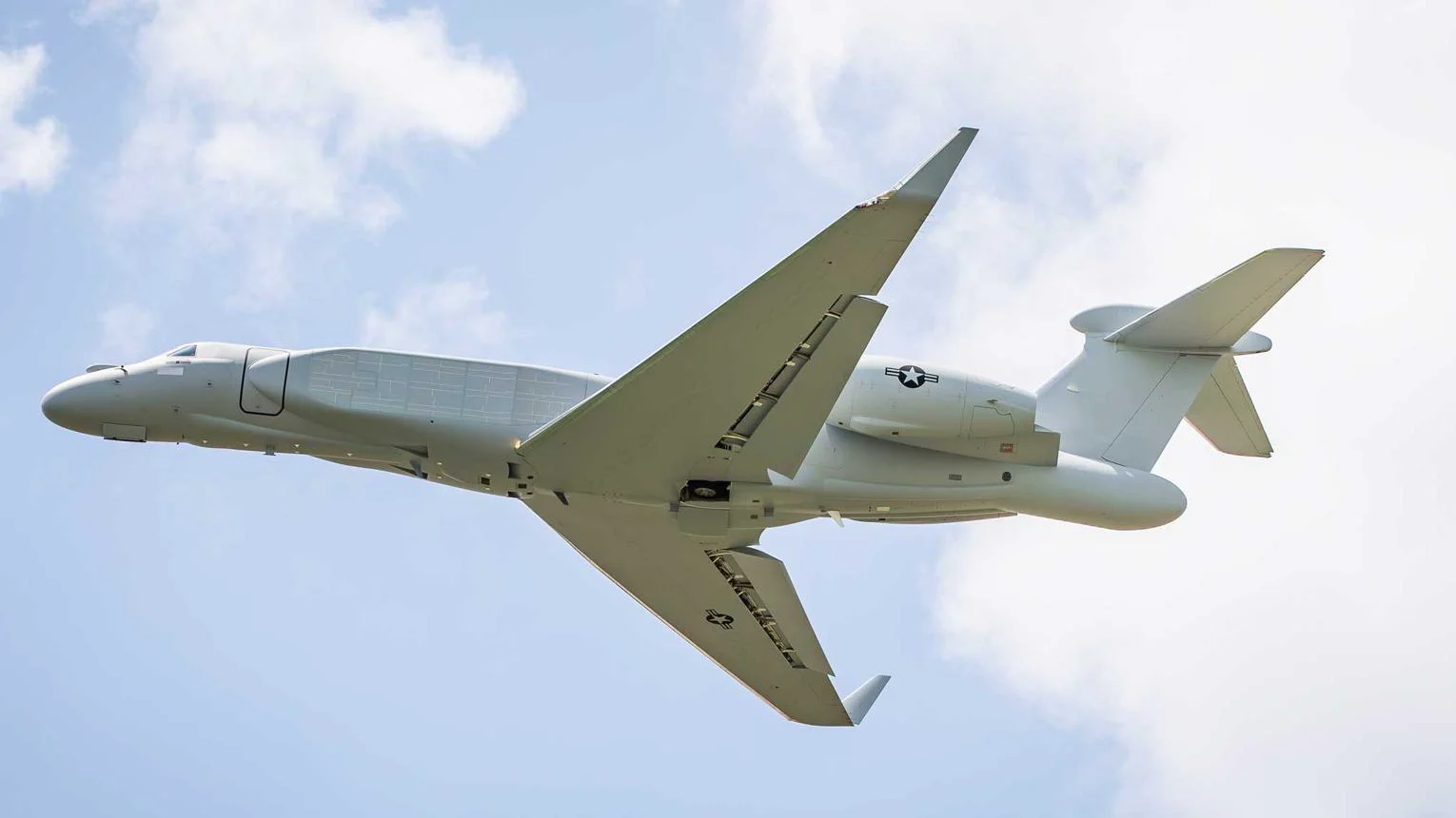
Electronic warfare serves a range of critical end-use applications, from protecting fighter aircraft and naval fleets to jamming enemy drones and securing satellite communications. The Electronic Warfare Market is driven by the diverse ways militaries utilize these capabilities to achieve spectrum dominance. Understanding these applications is crucial for appreciating the market's full scope and its centrality to modern defense strategy. The applications are expanding from traditional self-protection to offensive spectrum denial.
Market Dynamics
End-use applications for electronic warfare are categorized by mission type, including self-protection, offensive strike, and intelligence gathering.
Airborne Self-Protection and Escort Jamming
A primary application is protecting fighter and support aircraft from radar-guided missiles . This includes radar warning receivers, chaff/flare dispensers, and electronic jammer pods that disrupt hostile tracking. Escort jamming involves dedicated aircraft providing protection for strike packages . The U.S. Navy's Next Generation Jammer is a key program for this application .
Suppression of Enemy Air Defenses (SEAD)
Electronic warfare is essential for SEAD missions, which aim to destroy or neutralize enemy surface-to-air missile systems . This involves using electronic attack to blind radar systems and disrupt communications, enabling kinetic strikes. Collaborative jamming between multiple platforms is a growing application.
Counter-UAS and Force Protection
A rapidly growing application is using electronic warfare to neutralize drones and loitering munitions . Portable and vehicle-mounted jammers disrupt drone control links and navigation, providing a low-cost, non-kinetic defense. This application is critical for protecting troops, bases, and infrastructure.
Naval Fleet Protection and Decoying
Naval fleets rely on electronic warfare for self-protection against anti-ship missiles . Shipboard EW suites detect incoming missile seekers and deploy jamming or decoys to break the lock, protecting surface combatants. This application is central to fleet survivability.
Regional Outlook
Airborne self-protection is a key application for NATO and U.S. forces. Counter-UAS is a priority for all regions. Naval protection is critical for the Indo-Pacific. For detailed application insights, refer to the Electronic Warfare Market.
Competitive Landscape
Competition varies by application. For self-protection, reliability and precision are key. For counter-UAS, power, size, and weight are paramount. For naval, integration and high-power capability are critical.
Conclusion
The end-use applications of electronic warfare are diverse and essential to modern military operations. From protecting individual aircraft to defending entire fleets, EW capabilities ensure forces can operate effectively in contested electromagnetic environments. The growing counter-UAS and naval protection applications are key drivers of market growth.
FAQs
1. What is the primary application of electronic warfare?
Primary applications include protecting aircraft and ships (self-protection), jamming enemy air defenses (SEAD), neutralizing drones (counter-UAS), and gathering signals intelligence (ES).
2. How is electronic warfare used to counter drones?
EW is used to jam the control links and GPS navigation of drones, rendering them ineffective without using expensive kinetic weapons .
3. What role does EW play in naval warfare?
Naval EW protects fleets from anti-ship missiles by detecting and jamming incoming seekers, using decoys to break missile lock-on . For more information, visit the Electronic Warfare Market.

 Bangla