


Personal Trainers in Manchester UK: A Complete Guide to Choosing the Right Trainer
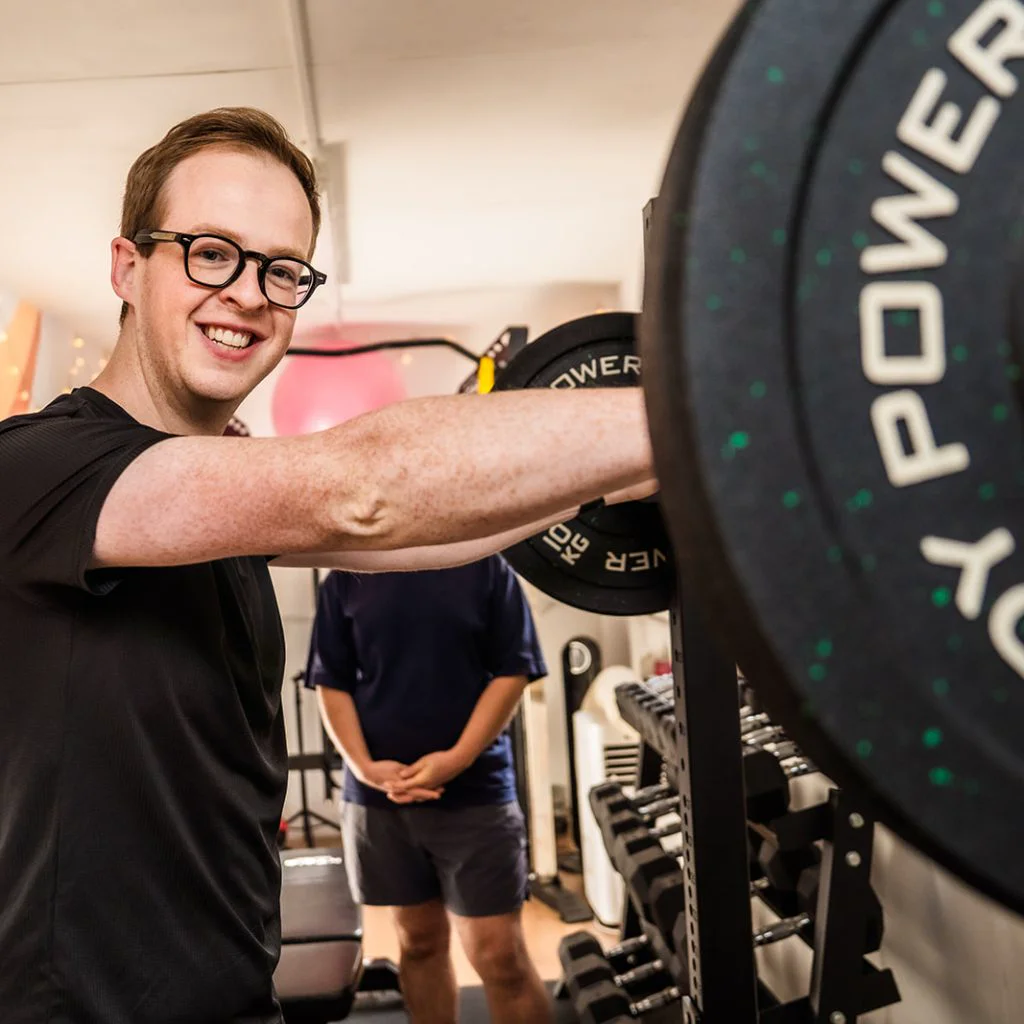
Finding the right fitness professional can make a significant difference to how effectively you reach your health and fitness goals. Whether you want to lose body fat, build strength, improve athletic performance, increase mobility, or simply become more active, professional guidance can provide structure, accountability, and a training approach suited to your individual needs.
For people searching for personal trainers in Manchester, UK, the number of available options can sometimes make the decision difficult. Manchester has a diverse fitness community, with trainers offering one-to-one coaching, small-group sessions, strength and conditioning, weight-management support, sports performance training, and personalised fitness programmes. However, choosing a trainer should involve more than simply selecting the nearest gym or the person with the most impressive social media profile.
A good trainer should understand your current fitness level, lifestyle, goals, previous exercise experience, and any relevant physical limitations. They should also be able to explain exercises clearly, monitor your progress, and adapt your programme when your circumstances or performance change.
This guide explores what to look for when selecting a personal trainer in Manchester, what you can expect from professional coaching, and how to make your training experience productive, sustainable, and enjoyable.
Why Personal Training Can Be Valuable
A structured fitness programme can help remove much of the uncertainty associated with exercise. Instead of repeatedly performing random workouts, you can follow a planned approach based on your objectives and current abilities.
Individualised Training
Everyone starts from a different point. A beginner may require basic movement instruction and gradual progression, while an experienced athlete may need a more advanced programme focused on strength, conditioning, power, or performance.
Individualised coaching allows exercises, training volume, intensity, rest periods, and progression to be adjusted according to the person rather than relying on a generic workout.
Accountability and Consistency
One of the biggest challenges in fitness is maintaining consistency. Motivation can change from week to week, particularly when progress appears slow.
Scheduled sessions create an element of accountability. Having a professional expecting you to attend can make it easier to maintain a regular routine, while progress tracking provides evidence that your effort is producing results.
Better Exercise Technique
Correct technique is important for both effectiveness and safety. A trainer can demonstrate movements, observe how you perform them, and provide appropriate corrections.
This can be especially useful when learning resistance exercises, compound movements, cardiovascular techniques, mobility drills, or sport-specific exercises.
Choosing the Right Personal Trainer in Manchester
When comparing personal trainers in Manchester, UK, it is useful to look beyond advertising claims. A trainer's approach, experience, communication style, and ability to understand your goals can have a greater impact on your experience than a simple list of qualifications.
Check Qualifications and Experience
A reputable trainer should have appropriate professional training and relevant qualifications for the services they provide. Experience can also be valuable because practical coaching involves more than knowing how to demonstrate an exercise.
Ask about the trainer's experience with people who have goals similar to yours. For example, someone looking for strength development may benefit from a trainer experienced in resistance training, while an individual interested in sports performance may require a coach with an understanding of conditioning and athletic development.
Look for a Goal-Based Approach
Your programme should have a clear purpose. A professional trainer should be interested in understanding what you want to achieve rather than simply giving you a standard workout.
Goals might include:
-
Improving general fitness
-
Building muscular strength
-
Increasing endurance
-
Developing athletic performance
-
Improving mobility and movement quality
-
Supporting healthy weight management
-
Establishing a consistent exercise routine
-
Preparing for a particular sporting challenge
Once your objective is clear, your programme can be organised around measurable and realistic steps.
Consider Communication Style
Good coaching involves communication in both directions. You should feel comfortable asking questions and discussing difficulties with your trainer.
A trainer should be able to explain why an exercise is included, what you should focus on during a movement, and how your programme is progressing. Clear communication can also help ensure that training remains appropriate when your schedule, energy levels, or goals change.
What to Expect During Your First Session
Your first session should normally involve more than immediately completing an exhausting workout. Understanding your starting point helps establish a sensible foundation for future training.
Initial Discussion
A trainer may begin by discussing your goals, exercise history, current routine, lifestyle, and expectations. Depending on the service, they may also ask about previous injuries or physical limitations that could influence exercise selection.
This information can help establish an appropriate starting point.
Fitness and Movement Assessment
Some trainers use basic assessments to understand movement patterns, strength, endurance, mobility, or cardiovascular fitness. The exact assessment will depend on your objectives and the trainer's approach.
The purpose should be to gather useful information rather than simply make the session appear complicated.
Creating a Training Plan
After establishing your starting point, your trainer can develop a programme that gradually progresses towards your objectives. A well-designed plan should consider training frequency, exercise selection, recovery, progression, and your ability to maintain the programme alongside your normal life.
Different Types of Personal Training
Not every client requires the same style of coaching. Manchester's fitness sector includes several approaches, allowing people to select a format that suits their preferences and objectives.
One-to-One Training
One-to-one coaching provides direct attention from the trainer. This format can be particularly useful for beginners, people who prefer individual support, or individuals working towards specific performance objectives.
The trainer can make adjustments throughout the session and provide immediate feedback.
Small-Group Training
Small-group sessions can offer a balance between individual coaching and a social training environment. They may also be useful for people who enjoy exercising alongside others while still receiving guidance.
Strength and Conditioning
Strength and conditioning programmes can focus on developing physical qualities such as strength, power, speed, endurance, coordination, and work capacity.
This type of training is often relevant to athletes but can also benefit recreational exercisers who want to become stronger and more physically capable.
Weight-Management Support
Exercise can form an important part of a healthy lifestyle. A trainer can help establish a realistic activity routine, improve fitness, and support sustainable exercise habits.
However, responsible fitness professionals should avoid unrealistic promises or guarantee a particular amount of weight loss within a specific timeframe.
How to Evaluate a Training Programme
A quality programme should have a logical structure rather than consisting of unrelated exercises.
Progressive Training
Progression means gradually increasing the challenge placed on the body as your capabilities improve. Depending on the programme, this might involve changes to resistance, repetitions, training volume, exercise complexity, speed, or conditioning demands.
Progress should be appropriate to the individual's experience and recovery capacity.
Recovery Matters
Training is only one part of the process. Recovery allows the body to adapt to physical stress.
A sensible programme should take rest, sleep, nutrition, workload, and general lifestyle into consideration. Training harder every day is not automatically better, particularly when fatigue begins to affect performance.
Tracking Progress
Useful progress measures can include improvements in strength, endurance, movement quality, training consistency, performance, measurements, or how everyday activities feel.
The best measurement depends on the individual's original objective. A person training for improved strength, for example, may have different success indicators from someone focused primarily on cardiovascular fitness.
Questions to Ask Before Hiring a Trainer
Before committing to a training package, asking a few practical questions can help you determine whether the trainer is suitable.
Important Questions
Consider asking:
-
What qualifications and coaching experience do you have?
-
Do you work with clients who have goals similar to mine?
-
How do you assess a new client?
-
How do you structure and progress training programmes?
-
How do you track client progress?
-
How often would you recommend training?
-
What happens if I need to modify an exercise?
-
Do you offer one-to-one or small-group sessions?
-
What should I expect during the first few sessions?
-
How do you approach recovery and sustainable training?
The answers can reveal whether the trainer takes a thoughtful, individualised approach or relies heavily on generic routines.
Making Personal Training Sustainable
Successful fitness is rarely about completing the hardest possible workout. Long-term results generally depend on developing habits that you can maintain.
Build a Realistic Routine
Your training schedule should fit your lifestyle. If three sessions every week are unrealistic because of work or family commitments, a consistent two-session routine may be a more practical starting point.
Consistency over an extended period is often more valuable than short periods of extreme effort followed by long breaks.
Focus on Long-Term Progress
Fitness improvements can take time. Strength, endurance, movement skills, and body composition do not necessarily change at the same rate.
A sensible approach focuses on gradual development rather than expecting immediate transformation. Your programme can then be adjusted as your fitness improves.
Support Training With Healthy Habits
Exercise works alongside other aspects of a healthy lifestyle. Adequate sleep, balanced nutrition, hydration, stress management, and sufficient recovery can all influence training performance.
A responsible trainer should encourage sustainable habits rather than extreme approaches that are difficult to maintain.
Finding Personal Trainers That Suit Your Goals
The best personal trainers in Manchester UK are not necessarily those making the biggest promises. A suitable trainer is someone who can understand your objectives, assess your starting point, communicate effectively, and develop a programme that progresses at an appropriate pace.
It is also worth considering practical factors such as location, session availability, training environment, pricing, session length, and coaching format. These details can influence whether you are able to maintain your programme consistently.
Reviews and testimonials can provide useful additional information, but they should not be the only factor in your decision. Look for evidence of genuine client experiences and pay attention to whether the trainer demonstrates professionalism, realistic expectations, and an understanding of individual needs.
Common Mistakes to Avoid
Choosing a trainer based solely on appearance, social media popularity, or promises of extremely rapid results can lead to disappointment.
Choosing Price Over Quality
Cost is naturally important, but the cheapest option is not always the best value. Consider what is included in the service, how personalised the programme is, and how much attention you receive during sessions.
Expecting Instant Results
Fitness improvements require time and consistency. Unrealistic claims should be treated carefully, especially when they suggest that everyone will achieve identical results.
Following a Generic Programme
A programme copied from someone else may not match your ability, goals, schedule, or training history. Personalisation is one of the major advantages of working with a qualified trainer.
Ignoring Recovery
Constant fatigue should not be treated as proof that training is working. Recovery should form part of the overall plan so that you can continue exercising effectively.
Why a Professional Training Environment Matters
The environment in which you train can influence motivation, consistency, and the quality of your sessions. A suitable facility should provide appropriate equipment, a professional atmosphere, and enough space to perform exercises safely.
A good training environment can also make sessions more enjoyable. When people feel comfortable asking questions and receiving feedback, they are more likely to remain engaged with the process.
Final Thoughts
Choosing personal trainers in Manchester UK should be based on your individual goals, preferred training style, practical requirements, and confidence in the coach's approach. The right professional should provide structured guidance while helping you develop the knowledge and habits required to continue making progress.
Whether your objective is strength, fitness, athletic performance, improved mobility, or a healthier routine, personalised coaching can provide valuable structure and accountability. Take time to compare qualifications, experience, communication, programme design, and client feedback before making your decision.
For people looking for a professional environment and personalised fitness support, Frontline Fit Performance Centre can be considered as part of your search for suitable coaching in Manchester. Ultimately, the most effective programme is one that is appropriately designed, progressively managed, and realistic enough for you to follow consistently over the long term.

 Bangla